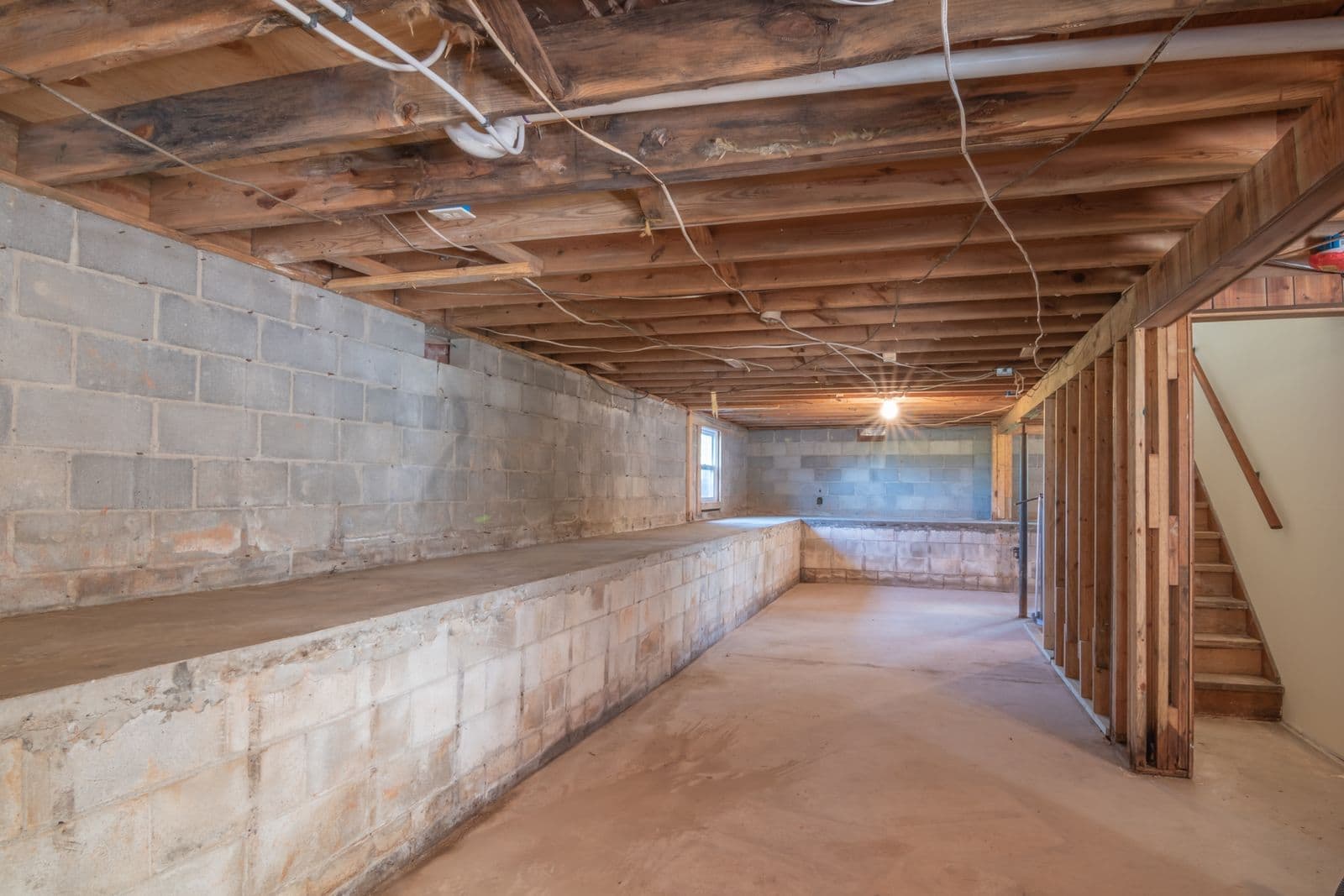
Mahoning Valley basements
A dry basement. A wall that holds.
Wet floors, leaking cracks, bowing block walls and old sandstone foundations from Youngstown and Warren to Salem. An experienced local contractor inspects the basement, finds where the water comes from, and gives you a written quote before any work.
- Free, no-pressure inspection
- Written quote before work
- Repairs matched to the cause
- Transferable warranties offered
Prefer to talk?
Call (330) 555-0182Basement services
Waterproofing, foundations, crawl spaces and moisture
Each page covers the signs, what the contractor does, how long it takes and what drives the price.
Start with what you see
What's happening in your basement?
- Water along the floor-wall seam after rainUsually: Groundwater pressure and failed footer drains
- Sump pump running nonstop or not at allUsually: Worn pump, stuck switch or high groundwater
- Horizontal crack or wall leaning inUsually: Soil pressure on a block wall
- Water trickling from a wall crackUsually: Shrinkage crack in a poured wall
- Sand and crumbling mortar at the base of stone wallsUsually: Eroded mortar in an old foundation
- White powder on basement wallsUsually: Water moving through masonry (efflorescence)
- Musty smell but no standing waterUsually: High humidity or hidden seepage
- Water around basement windowsUsually: Clogged or missing window well drains
Local knowledge
Why Mahoning Valley basements leak
Clay soil, old foundations and hard winters shape what fails and what fixes it.
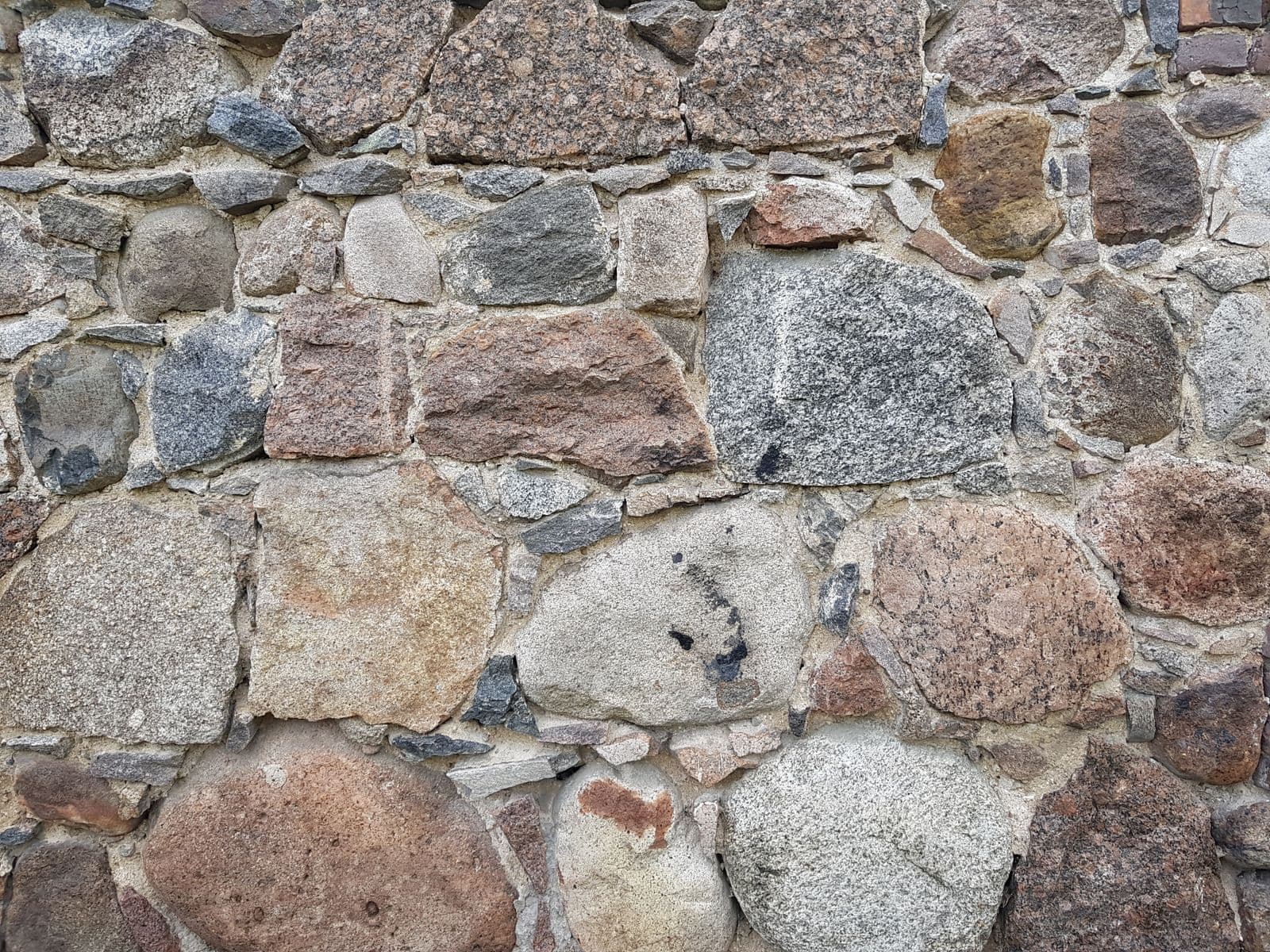
Heavy clay soil
Mahoning Valley clay holds water against the wall after every storm. That pressure pushes water through the floor-wall joint and into block cores.
Old stone and block
Thousands of homes built between 1900 and 1960 sit on sandstone or hollow block. Mortar washes out, and block walls bow under freeze-thaw.
Freeze-thaw winters
Lake-effect snow and dozens of freeze-thaw cycles each winter open cracks, lift steps and push soil against the wall.
Spring thaw
March snowmelt and April rain are when most basements here take on water. It is also when sump pumps work hardest.
Before the thaw: clear downspouts, test the sump pump, look for new cracks.
Spring thaw checklistHow it works
Inspect, explain, quote, fix
- 1
Request a free inspection
Use the form or call. Active water and bowing walls get the earliest visits.
- 2
The contractor finds the source
Walls, floor joint, cracks, grading, gutters and the sump pit, inside and out.
- 3
You get a written quote
Options explained in plain words, and nothing starts without your OK.
- 4
Fixed and warrantied
Permits where needed, and warranty terms in writing.
What the work looks like
From damp and cracked to dry and sound
Drag the slider. These are example stock photos, not specific Holdfast jobs.
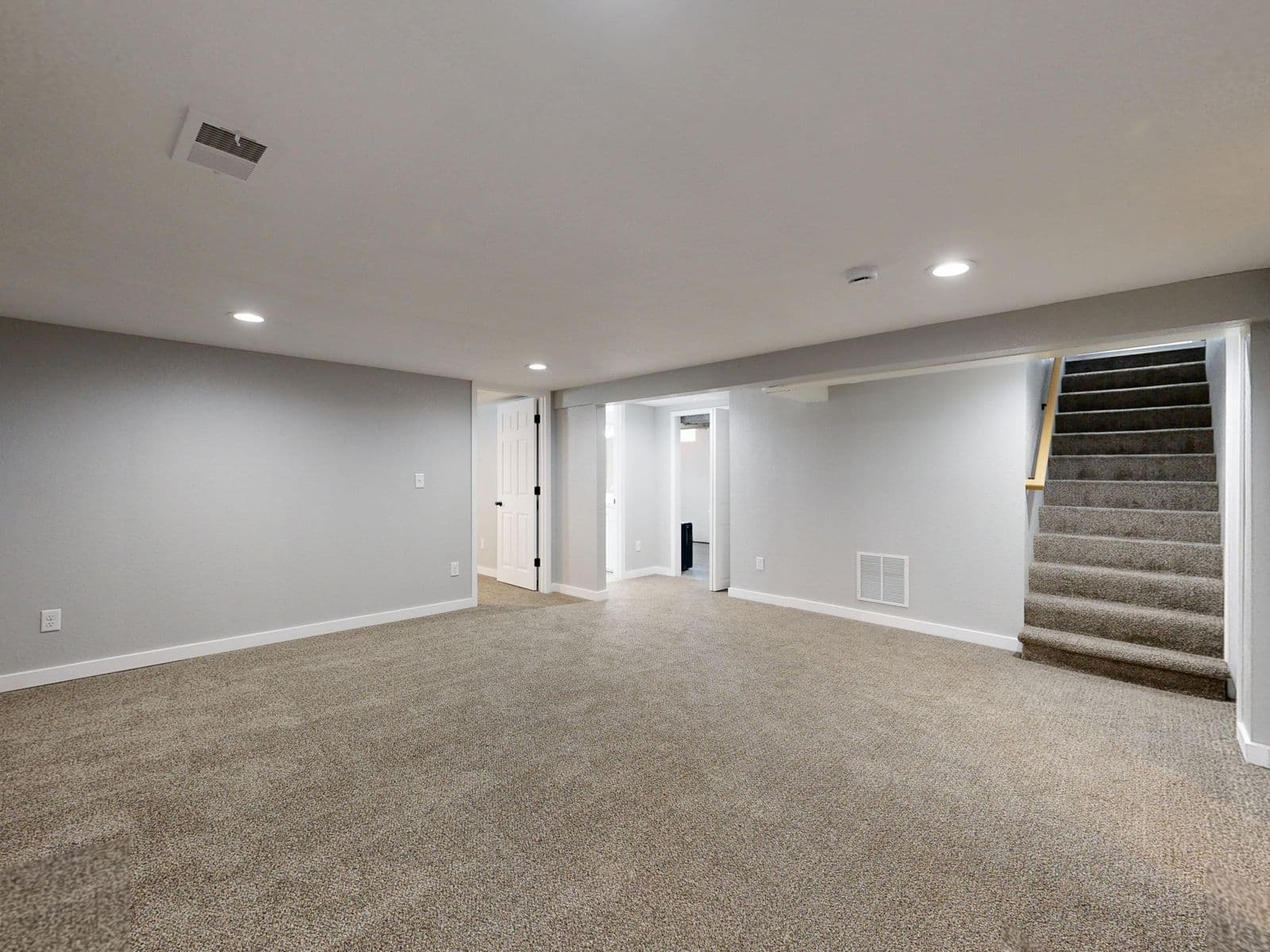
Problem: An unfinished block-wall basement with seepage at the floor-wall joint after every heavy rain.
Work: Interior perimeter drain, sealed sump with battery backup, and a dehumidifier to control humidity.
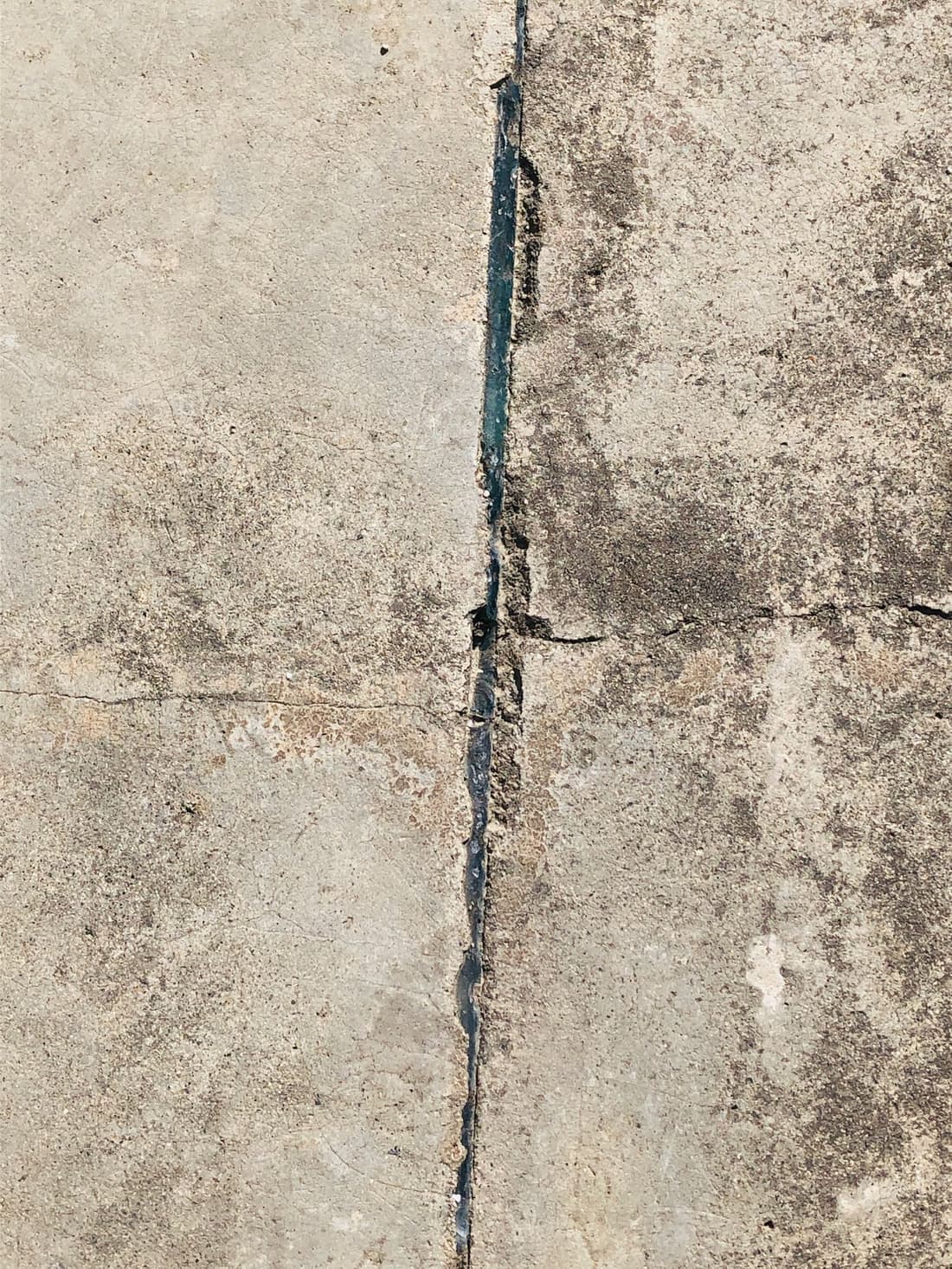
Problem: A wide crack running through a foundation wall.
Work: Wall assessed, crack sealed and the wall reinforced after drainage was improved.
Service area
19 Mahoning Valley communities
Mahoning, Trumbull and Columbiana counties, from Cortland and Brookfield to East Liverpool.
Youngstown & suburbs
Warren area
Trumbull River Valley
Columbiana County
Basement guides
Answers before the inspection
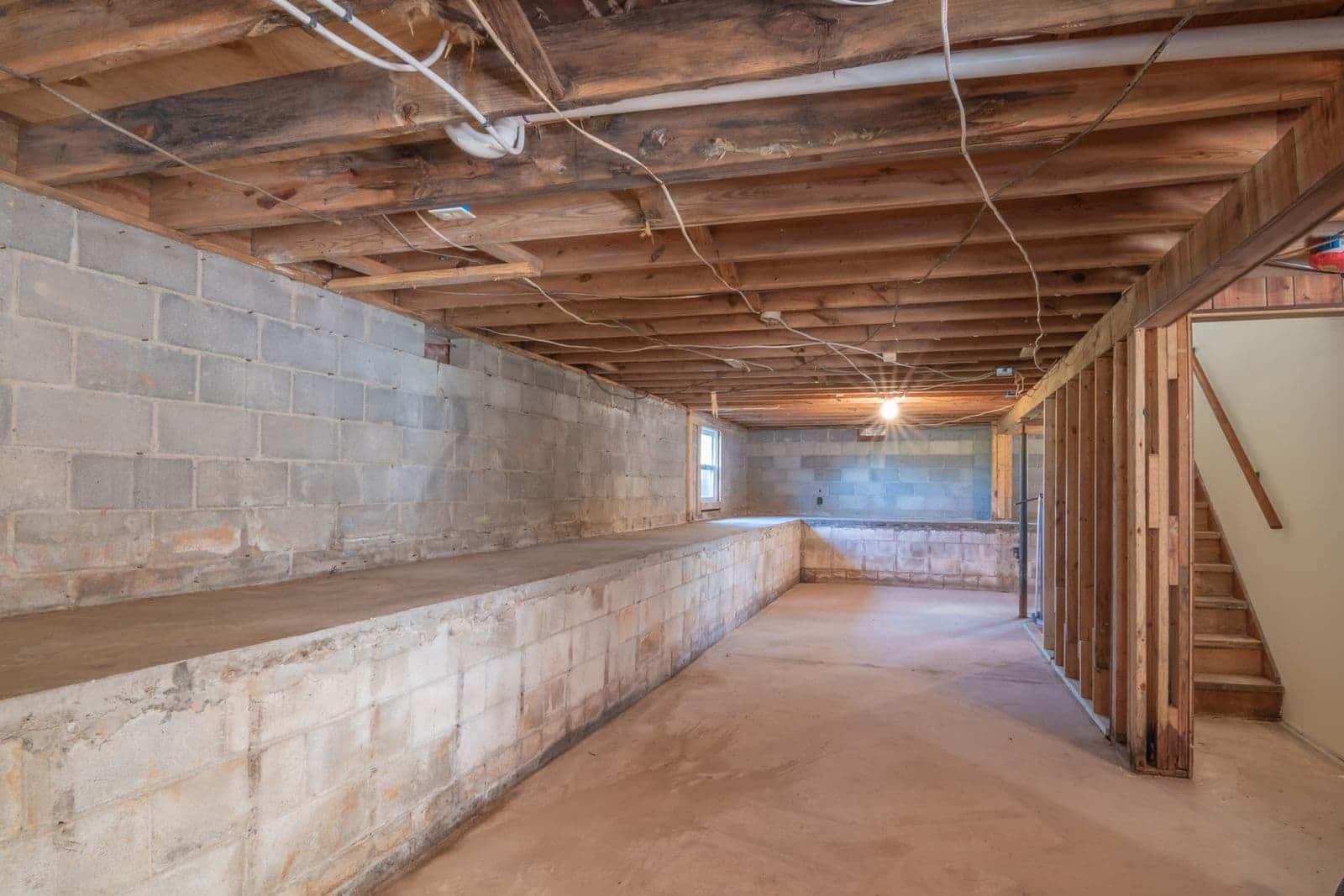
Why Basements Leak at the Floor-Wall Joint
Water appears at the floor-wall joint because groundwater builds pressure under and around the foundation and finds the seam between the footing, wall and floor slab.
Learn more
Horizontal Crack in a Basement Wall: What It Means
A horizontal crack in a block basement wall usually means soil pressure is pushing the wall inward.
Learn more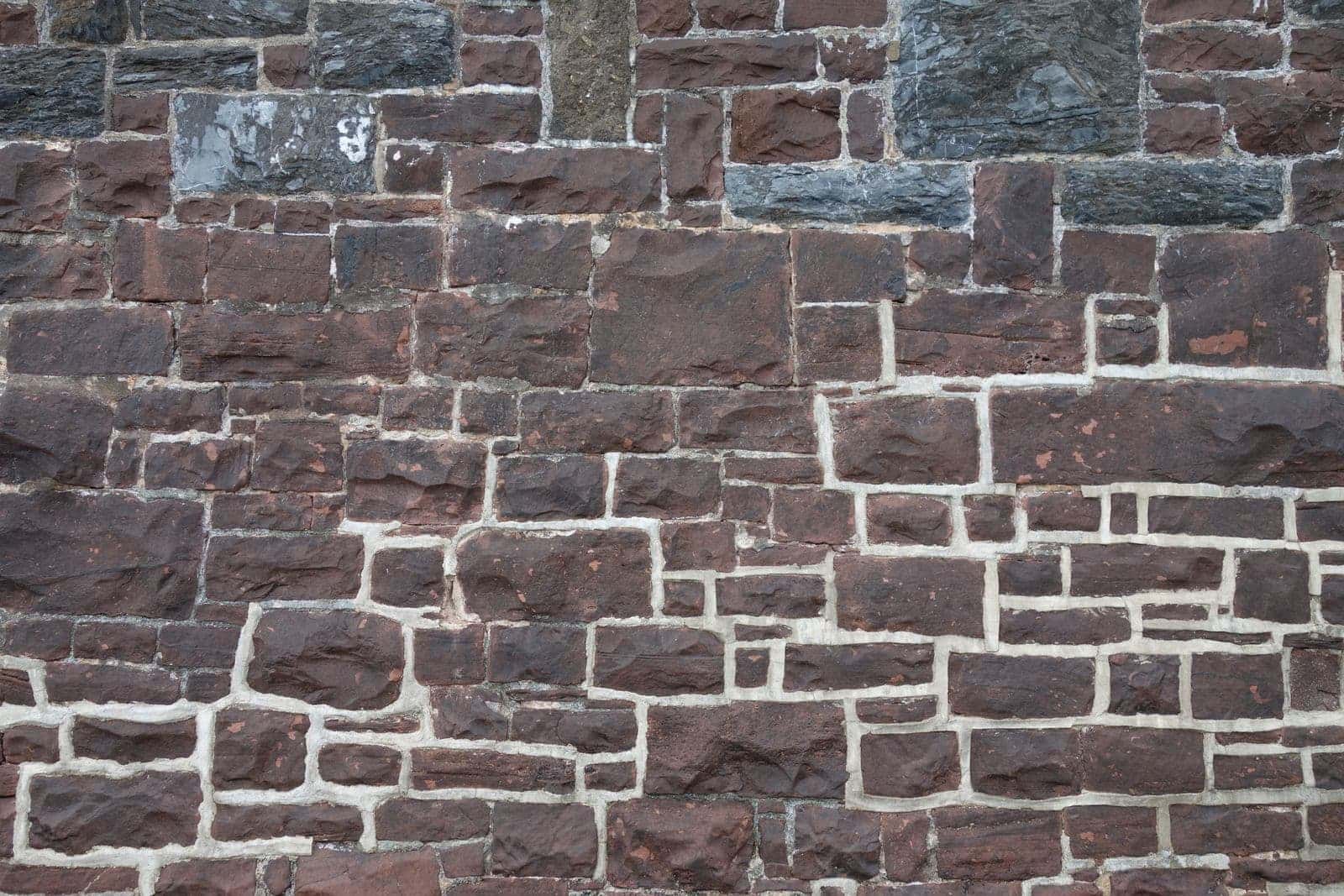
Old Sandstone and Stone Foundations in the Mahoning Valley
Many Mahoning Valley homes built before about 1940 have sandstone, fieldstone or brick foundations laid in soft lime mortar.
Learn moreFAQ
Questions Mahoning Valley homeowners ask
Water after every storm?
Book a free inspection and get a written quote.