
Local
Spring Thaw Basement Checklist for Northeast Ohio
Updated · Holdfast editorial · 2 min read
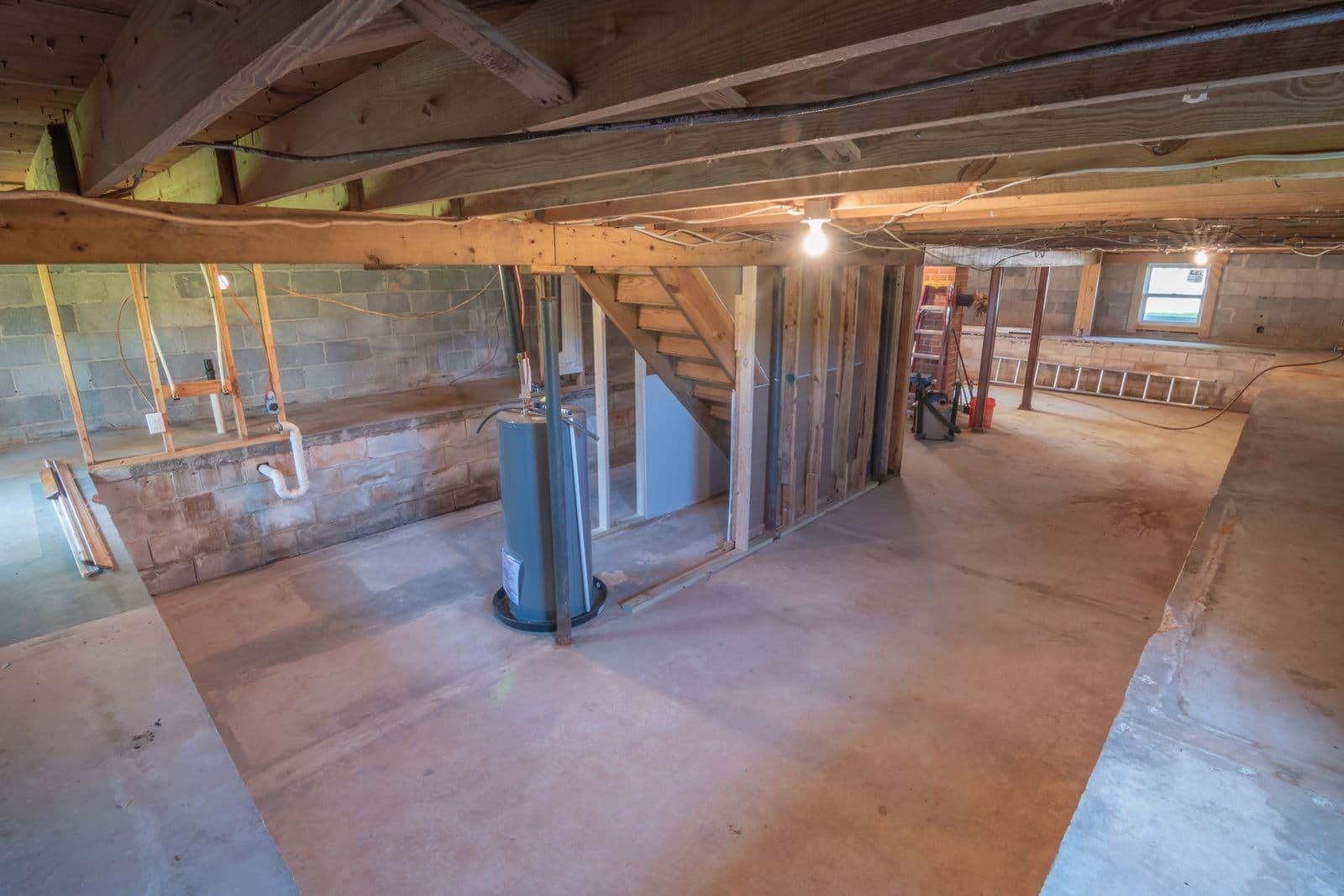
What should you check outside?
- Gutters and downspouts
- Grading
- Window wells
What should you check inside?
- Sump test
- Battery backup check
- Crack inspection
What else should you know?
See yard drainage.
What if water still gets in?
Photograph where water appears and when, relative to rain and snowmelt. That record helps a contractor tell surface runoff from groundwater and recommend the right fix.
What is on the checklist?
Snowmelt and early spring rain are when most Mahoning Valley basements take water. Before the thaw:
- Test the sump pump and check the discharge line isn't frozen or blocked
- Clear snow and ice away from the foundation, window wells and downspout outlets
- Make sure downspouts discharge several feet from the house
- Look for new cracks, damp spots or efflorescence on basement walls
- Clear leaves and debris from window well drains
- Move stored items off the floor and away from walls
What should you watch during the thaw?
Check the basement after the first warm days and after rain on melting snow. Water at the floor-wall joint usually points to pressure under the floor; water through a wall crack or a window well points to surface water. Note where it comes in; that decides the fix.
Call a professional if
- Water is near the electrical panel, furnace, water heater or outlets: don't enter, call
- The pump runs but water keeps rising
- Sewage or a sewer smell is coming up with the water
- A basement wall is cracking or pushing inward under water pressure
By calling, you agree to be connected with an independent waterproofing contractor, who may call or text you back about your request at the number you call from. Calls may be recorded for quality and routing. Consent is not a condition of any purchase; you can opt out at any time, and message and data rates may apply. Privacy policy.
About emergency sump pump & flooded basement serviceWhat else do people ask about this?
When do Mahoning Valley basements usually leak?
Most often during the March and April snowmelt and spring rains, when soil is saturated.
How far should downspouts discharge from the house?
At least several feet, and ideally 6 to 10 feet, onto ground that slopes away from the foundation.
Where can I verify this information about your home?
- 1NOAA National Centers for Environmental Information: U.S. Climate NormalsAverage precipitation, snowfall and temperatures for weather stations near your home.
- 2USDA Natural Resources Conservation Service: Web Soil SurveyLook up soil drainage class and shrink-swell potential for any lot in your home.
- 3FEMA: Flood Map Service CenterCheck whether a property in your home is in a mapped flood zone before finishing a basement.
- 4U.S. Environmental Protection Agency: RadonWhy basements in your home should be tested for radon, and how sealed sumps fit with mitigation.
- 5Federal Trade Commission: Hiring a ContractorWhat to check before hiring: licensing, insurance, written estimates and payment terms.
Every home differs; editorial standards.