Basement waterproofing
Basement waterproofing in the Mahoning Valley
Basement waterproofing stops water from entering a basement and removes water that collects around the foundation. Most wet basements are fixed with an interior perimeter drain and sump pump, exterior excavation and membrane, sealed wall cracks, or better grading and downspouts, chosen to match where the water is actually coming from.
- Typical time
- Most systems install in one to three days.
- Repair or replace
- Fix the cause: drainage, cracks, grading or pressure.
Much of the Mahoning Valley's housing was built in the first half of the 1900s for steel and manufacturing workers, with basements of sandstone, brick or early concrete block. Decades of freeze-thaw cycles, clay soils that hold water, and heavy spring rain push water through joints, cracks and the floor-wall seam.
Water in a basement usually comes from three places: rain and snowmelt running toward the house, groundwater pressure under and around the foundation, and cracks or porous walls. A good inspection figures out which one before recommending a system.
Basement Waterproofing at a glance
- What it is
- Basement waterproofing stops water from entering a basement and removes water that collects around the foundation.
- Service category
- Basement waterproofing
Signs you need wet basement help
- Water along the floor-wall seam after rain
- Damp or stained walls
- White chalky deposits (efflorescence) on block or stone
- Musty smell and high humidity
- Puddles near cracks or around the floor drain
Quick answers
Basement Waterproofing: the short version
How long basement waterproofing takes
Most systems install in one to three days.
When wet basement can wait, and when it can't
Soon if water is entering; urgent before spring thaw and storms.
Fix or replace wet basement?
Fix the cause: drainage, cracks, grading or pressure.
Why wet basement happens
Clay soils, hydrostatic pressure, old walls, gutters and grading.
Basement Waterproofing
Basement Waterproofing services
Each page covers one problem in depth: signs, what the waterproofing contractor does, timing and cost drivers.
- Interior Drainage SystemsAn interior drainage system (interior drain tile or French drain) is a perforated pipe installed in a trench along the inside perimeter of the basement floor.
- Exterior Foundation WaterproofingExterior waterproofing excavates soil down to the footing, cleans and repairs the wall, applies a waterproof membrane and drainage board, and installs new footer drains before backfilling.
- Sump Pump Installation & RepairSump pump service installs a sealed pit and pump where groundwater collects, replaces failed pumps and switches, adds battery or water-powered backups, and routes the discharge line well away from the house so it doesn't freeze or recirculate..
- Leaking Wall Crack RepairLeaking crack repair seals non-structural cracks in poured concrete walls, usually by injecting flexible polyurethane that expands to fill the crack through the wall's full thickness.
- Yard Drainage, Grading & DownspoutsYard drainage keeps rain and snowmelt away from the foundation: extending or burying downspouts, regrading soil to slope away from the house, and installing French drains or catch basins where water pools.
The work
How basement waterproofing is done
- 1
Inspect
Trace water to its source: gutters, grading, cracks, window wells or hydrostatic pressure.
- 2
Recommend
A written plan and price: exterior fixes, interior drainage, sump, crack repair or a combination.
- 3
Install
Drain tile, sump, membranes or crack injections installed to the plan.
- 4
Verify and warranty
Test the system and provide written, transferable warranty terms.
What moves the price of basement waterproofing
Driven by drainage length, method, sump and access; free written estimate.
- Linear feet of drainage
- Interior vs. exterior method
- Number of sump pumps and battery backups
- Wall condition and repairs
- Access (finished walls, decks, landscaping)
- Permits
Before you call
Safe first steps: wet basement
Safe to do yourself
- •Clean gutters and extend downspouts 6–10 feet from the house
- •Regrade soil so it slopes away from the foundation
- •Run a dehumidifier to control humidity
- •Check that your sump pump starts when the pit fills
Stop and get professional help if
- •Water coming through a crack that's widening or displaced
- •Walls bowing inward or cracks in a stair-step pattern
- •Standing water near electrical panels or appliances
Basement Waterproofing: common questions
Is interior or exterior waterproofing better?
Exterior waterproofing stops water at the wall but requires excavation. Interior drainage with a sump pump manages water that gets in and is less disruptive. The right choice depends on your walls, access and budget.
Will sealing paint stop a wet basement?
Rarely for long. Waterproof paints can reduce dampness, but they don't relieve water pressure behind the wall and often peel.
Does homeowners insurance cover a wet basement?
Usually not for gradual seepage. Sudden events may be covered, and sump pump failure often needs a specific endorsement. Check your policy.
Service area
Basement Waterproofing across the Mahoning Valley
Related
Services often paired with basement waterproofing
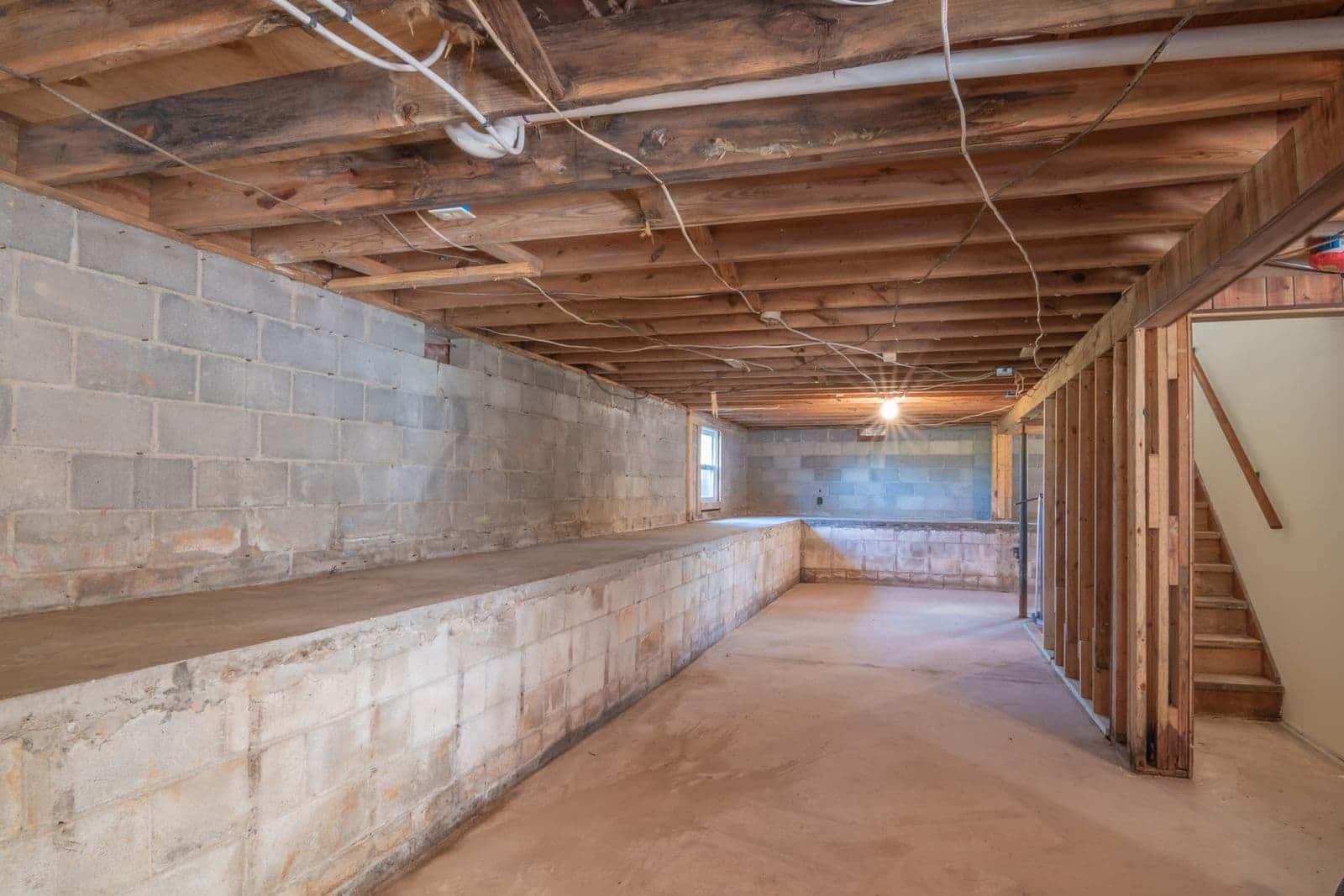
Interior Drainage Systems
An interior drainage system (interior drain tile or French drain) is a perforated pipe installed in a trench along the inside perimeter of the basement floor.
Learn more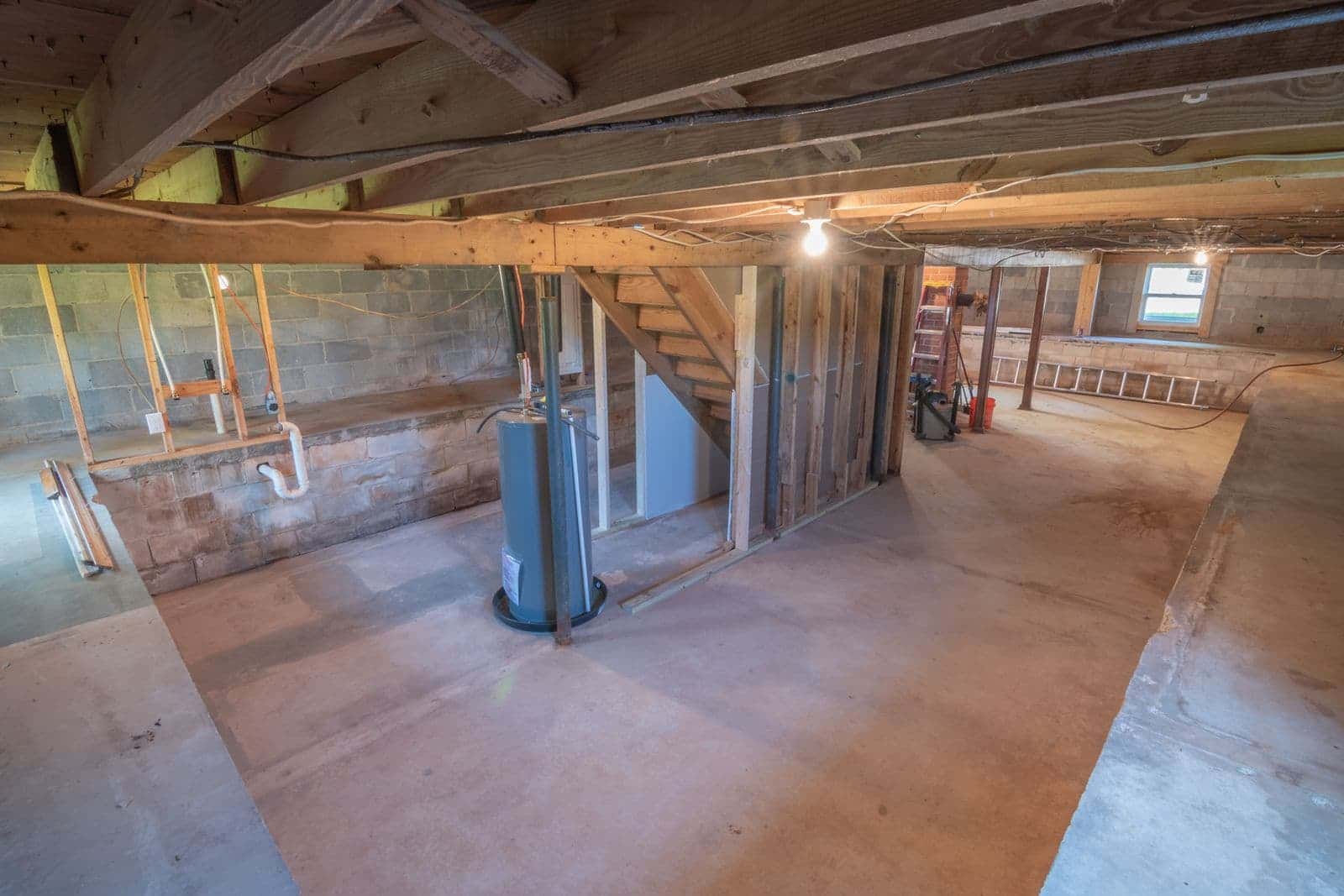
Sump Pump Installation & Repair
Sump pump service installs a sealed pit and pump where groundwater collects, replaces failed pumps and switches, adds battery or water-powered backups, and routes the discharge line well away from the house so it doesn't freeze or recirculate..
Learn more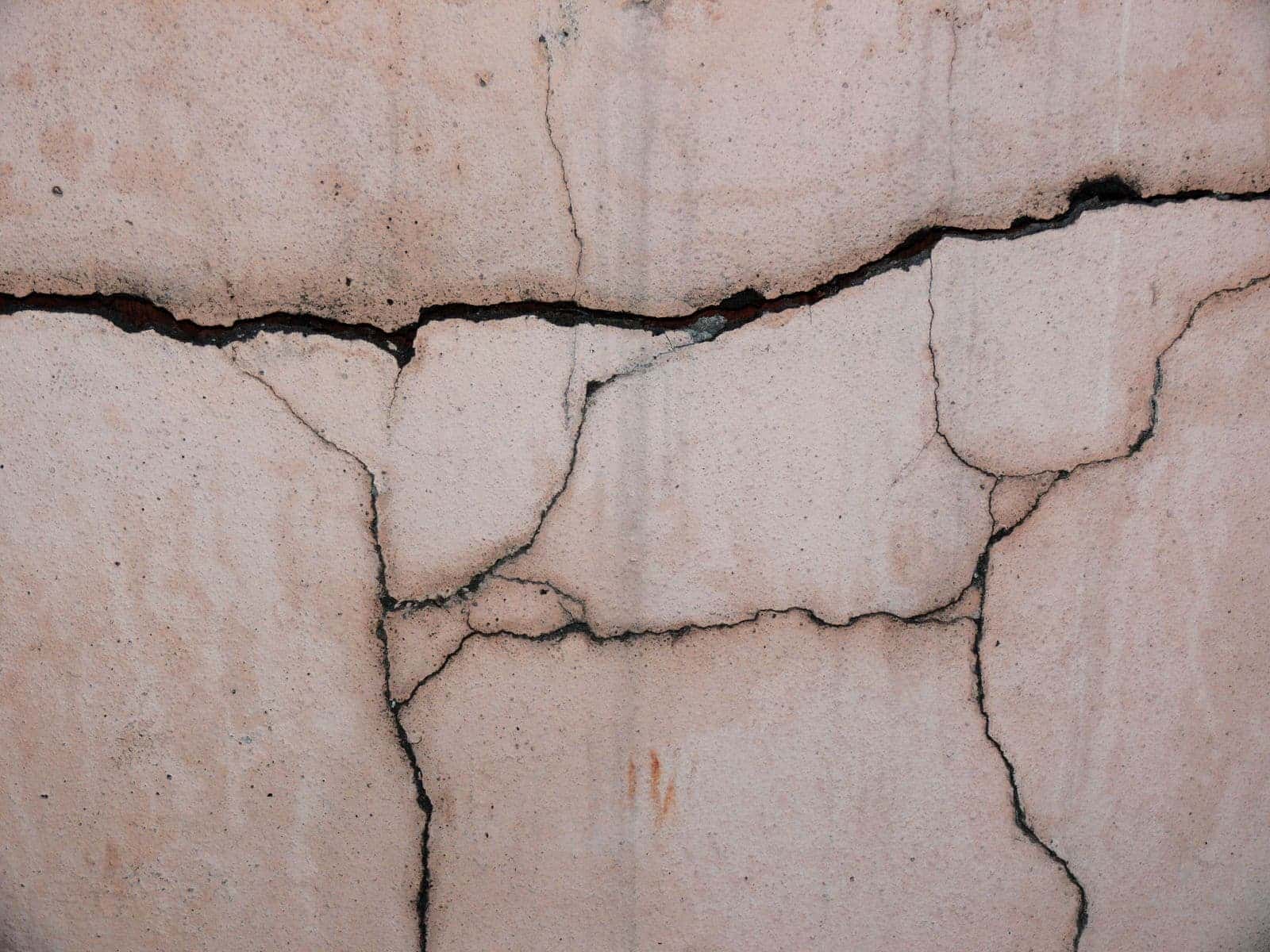
Leaking Wall Crack Repair
Leaking crack repair seals non-structural cracks in poured concrete walls, usually by injecting flexible polyurethane that expands to fill the crack through the wall's full thickness.
Learn more
Call about a wet basement
Clay soils, hydrostatic pressure, old walls, gutters and grading.