
Crawl spaces
Crawl space encapsulation
Crawl space encapsulation seals the crawl space from outside air and ground moisture with a heavy vapor barrier on the floor and walls, closed vents, insulated walls and a dehumidifier, turning it into a dry, conditioned space.
By calling, you agree to be connected with an independent waterproofing contractor, who may call or text you back about your request at the number you call from. Calls may be recorded for quality and routing. Consent is not a condition of any purchase; you can opt out at any time, and message and data rates may apply. Privacy policy.
- Typical time
- One to three days.
- Repair or replace
- Seal and condition.
Call about crawl space encapsulation
(833) 460-4463By calling, you agree to be connected with an independent waterproofing contractor, who may call or text you back about your request at the number you call from. Calls may be recorded for quality and routing. Consent is not a condition of any purchase; you can opt out at any time, and message and data rates may apply. Privacy policy.
Mention crawl space encapsulation and your ZIP.
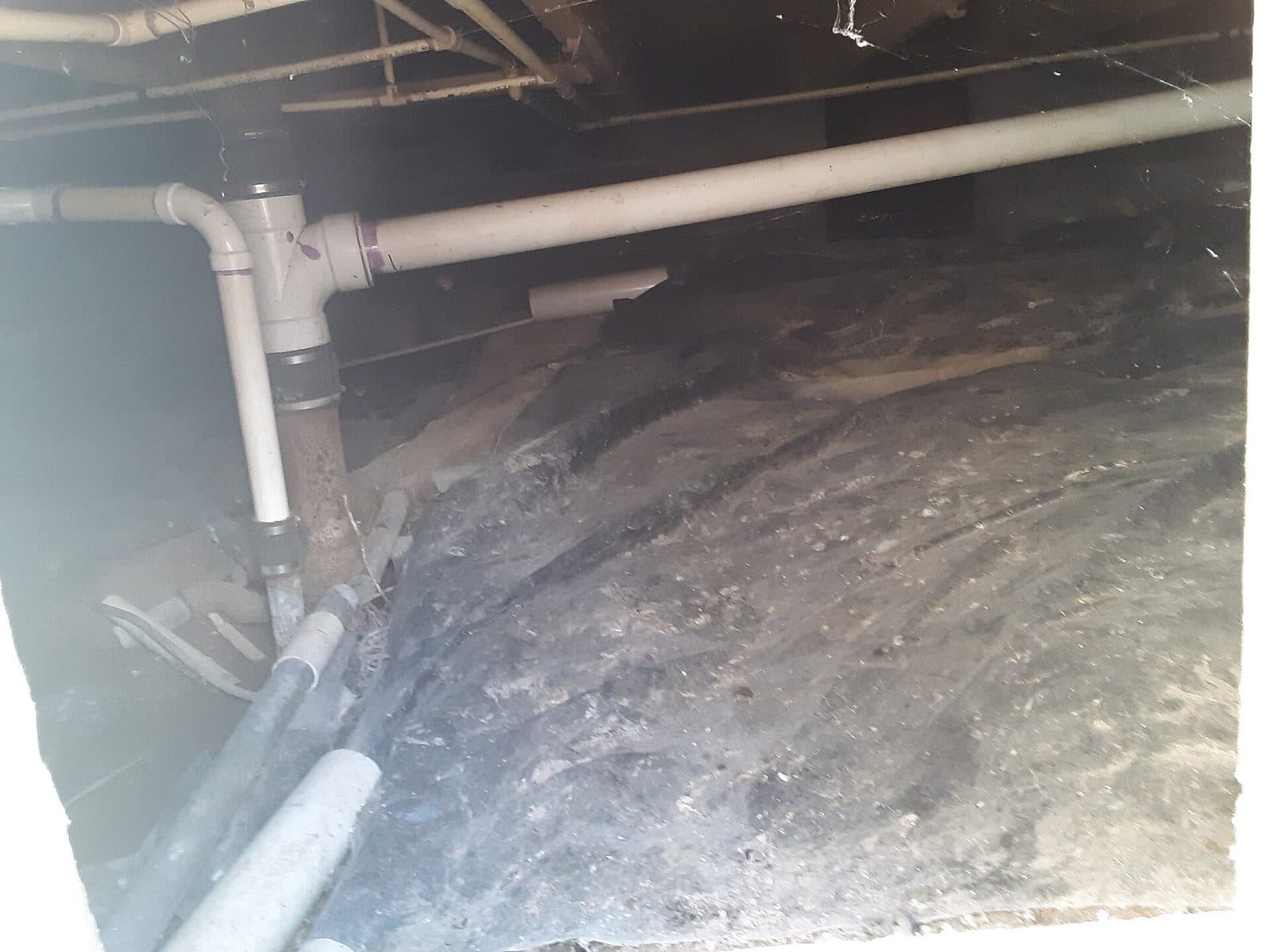
A vented crawl space with a bare dirt floor takes on moisture from two directions: from the soil below, which evaporates into the space all year, and from humid summer air coming through the vents, which condenses on cooler pipes, ducts and joists. Because air moves up through a house, what's in the crawl space ends up in the rooms above, which is why a musty crawl is usually noticed as a musty house.
Encapsulation closes the space off: a heavy, sealed vapor barrier over the floor and up the foundation walls and piers, vents and the rim joist sealed, walls insulated where appropriate, and a dehumidifier to keep humidity down. It's the right fix for a damp crawl. It isn't a fix for a wet one: if water flows in or pools after rain, drainage and a sump come first, because a barrier laid over standing water just traps it.
Older homes are where it matters most. Across the Mahoning Valley, most homes in the oldest towns were built before 1960 (Census ACS), and crawl spaces from that era commonly have bare soil, no vapor barrier and open vents.
Crawl Space Encapsulation at a glance
- What it is
- Crawl space encapsulation seals the crawl space from outside air and ground moisture with a heavy vapor barrier on the floor and walls, closed vents, insulated walls and a dehumidifier, turning it into a dry, conditioned space..
- Service category
- Crawl Space Repair
What are the signs you need crawl space encapsulation help?
- A musty smell in the house, strongest near floor registers or in the rooms over the crawl
- Cold floors in winter above the crawl space
- Condensation or sweating on ducts, pipes or the underside of the floor
- Insulation sagging or falling from between the joists
- Dark staining or mold on joists and subfloor
- Humidity readings in the crawl above about 60% in summer
Quick answers
What should you know about crawl space encapsulation first?
How long crawl space encapsulation takes
One to three days.
When crawl space encapsulation can wait, and when it can't
Planned.
Fix or replace crawl space encapsulation?
Seal and condition.
Why crawl space encapsulation happens
Humid air and ground moisture.
The work
How is crawl space encapsulation done, step by step?
- 1
Inspect and measure
Moisture readings on joists and sill plates, humidity, signs of water entry, and the condition of insulation and ductwork. This decides whether drainage is needed before sealing.
- 2
Prepare
Debris and wet or moldy insulation are removed; any water entry is handled with drainage to a sump; damaged wood is treated or replaced.
- 3
Seal
A heavy vapor barrier is laid over the floor and run up the walls and piers, with seams taped and edges fastened; vents and the rim joist are sealed.
- 4
Condition and verify
A dehumidifier sized for the space is installed with a condensate drain, and humidity and wood moisture are rechecked after it runs.
What affects the cost of crawl space encapsulation?
Driven by size and barrier.
- Square footage and wall height
- Barrier thickness and whether it covers walls and piers
- Clean-out: removing debris, old insulation or moldy material
- Drainage and a sump if water enters
- Dehumidifier size and drainage
- Wall and rim-joist insulation
- Access and clearance: a small hatch or very low crawl slows the work
Before you call
What can you safely do before the contractor arrives?
Safe to do yourself
- •Measure humidity in the crawl with an inexpensive hygrometer
- •Keep gutters and downspouts carrying water away from the crawl walls
Stop and get professional help if
- •Standing water or active seepage in the crawl
- •Visible mold growth on joists or subfloor
- •Rotted or soft sill plates or joists
Is this service available near me?
Location is only used to find the service area nearest you. It stays on your device and isn't stored.
Happening right now? 24-hour emergency service is the faster route than a scheduled visit.
What do homeowners ask about crawl space encapsulation?
How long does crawl space encapsulation last?
A heavy, properly sealed barrier lasts many years if it isn't torn by foot traffic or stored items. The dehumidifier is the part that wears out and eventually needs replacing.
Do I need a sump pump in my crawl space?
Only if water enters or pools there after rain or snowmelt. A dry crawl doesn't need one; a wet one needs drainage before it's encapsulated.
Should crawl space vents be closed?
In an encapsulated crawl, yes: sealing the vents is part of keeping humid summer air out. In a crawl that isn't sealed and dehumidified, closing vents alone can trap moisture.
Will encapsulation help my energy bills?
It often makes floors above the crawl warmer in winter and reduces humidity the air conditioner has to remove in summer. How much it saves depends on the house.
What does crawl space encapsulation include?
A heavy sealed vapor barrier on floor and walls, sealed vents and rim joists, and humidity control with a dehumidifier or conditioned air.
What affects the cost of encapsulation?
Crawl space size, condition, drainage needs, insulation removal, barrier thickness and dehumidifier type.
Can I encapsulate a crawl space myself?
DIY is possible for small, dry spaces, but sealing, drainage and humidity control are tricky; professional work is common.
Does encapsulation stop termites?
It reduces moisture that attracts termites but doesn't replace termite treatment and inspection access.
How do I maintain an encapsulated crawl space?
Check for tears after plumbing work, keep the dehumidifier running and inspect drainage after storms.
Where can I verify this information about your area?
- 1U.S. Environmental Protection Agency: MoldGuidance on moisture control and keeping indoor humidity low to prevent mold.
- 2NOAA National Centers for Environmental Information: U.S. Climate NormalsAverage precipitation, snowfall and temperatures for weather stations near your area.
- 3USDA Natural Resources Conservation Service: Web Soil SurveyLook up soil drainage class and shrink-swell potential for any lot in your area.
- 4FEMA: Flood Map Service CenterCheck whether a property in your area is in a mapped flood zone before finishing a basement.
- 5Federal Trade Commission: Hiring a ContractorWhat to check before hiring: licensing, insurance, written estimates and payment terms.
Service area
Where is crawl space encapsulation available?
- Crawl Space Encapsulation in Austintown
- Crawl Space Encapsulation in Lisbon
- Crawl Space Encapsulation in Asheville
- Crawl Space Encapsulation in Atlanta
- Crawl Space Encapsulation in Dallas
- Crawl Space Encapsulation in Little Rock
- Crawl Space Encapsulation in Charlotte
- Crawl Space Encapsulation in Savannah
- Crawl Space Encapsulation in Charleston
- Crawl Space Encapsulation in Nashville
- Crawl Space Encapsulation in Baton Rouge
- Crawl Space Encapsulation in Dover
- Crawl Space Encapsulation in Gulfport
Where crawl space encapsulation is most often needed
Available in every state
Calls are connected with an independent contractor that serves your ZIP code, anywhere in the U.S.
Northeast & Mid-Atlantic
Connecticut · Delaware · Maine · Maryland · Massachusetts · New Hampshire · New Jersey · New York · Pennsylvania · Rhode Island · Vermont · Washington, DC
Midwest & Great Lakes
Illinois · Indiana · Iowa · Michigan · Minnesota · Missouri · Nebraska · North Dakota · Ohio · South Dakota · Wisconsin
Southeast & Gulf Coast
Alabama · Florida · Georgia · Kentucky · Louisiana · Mississippi · North Carolina · South Carolina · Tennessee · Virginia · West Virginia
Mountain West & Southwest
Arizona · Colorado · Idaho · Montana · Nevada · New Mexico · Utah · Wyoming
Pacific Coast & Northwest
Alaska · California · Hawaii · Oregon · Washington
Related
Which services are often paired with crawl space encapsulation?
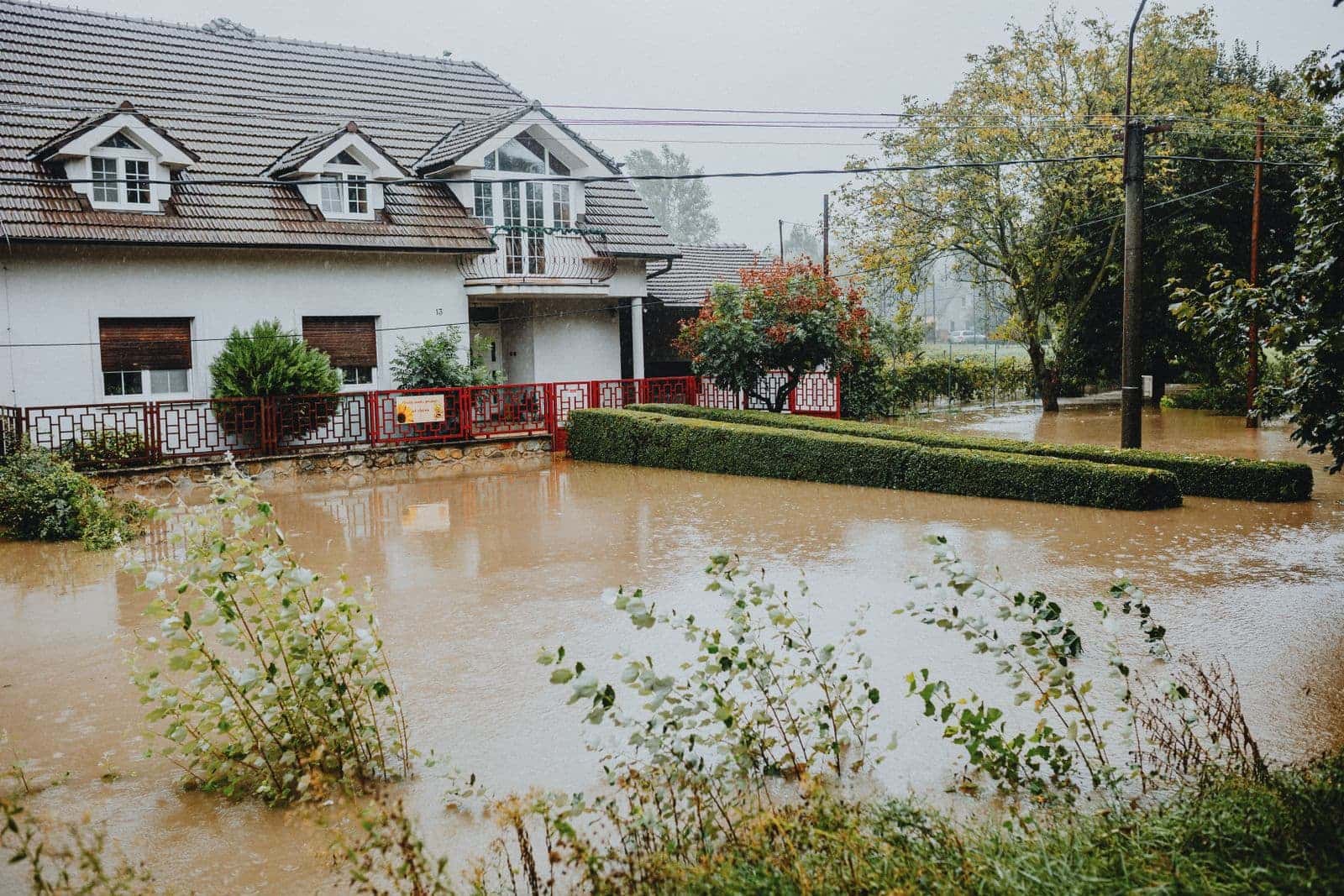
Crawl Space Drainage
Crawl space drainage removes standing water under the house with a perimeter drain and a crawl space sump pump, plus outside fixes like downspouts and grading so less water arrives in the first place..
Learn more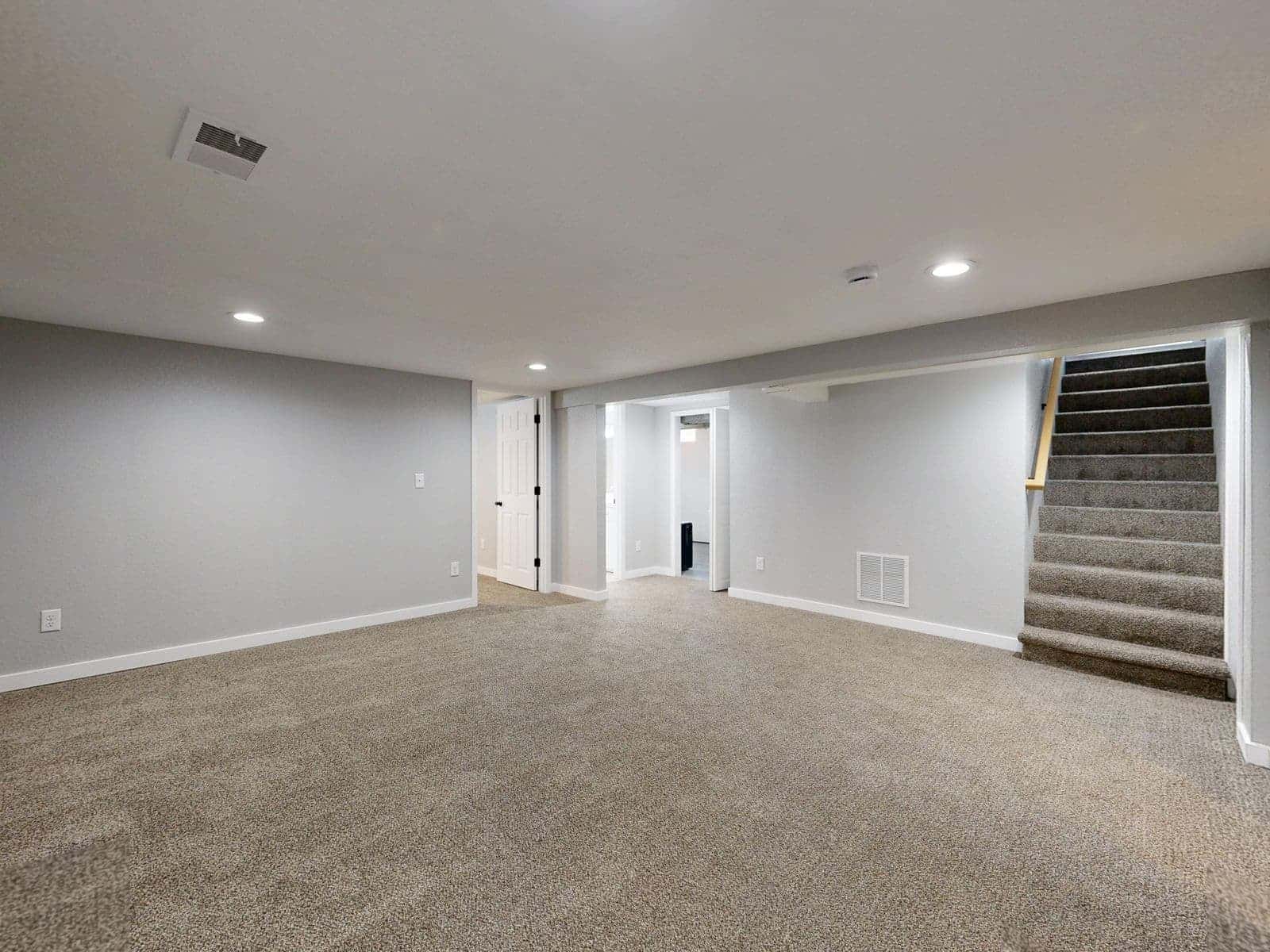
Basement Dehumidifiers
A basement dehumidifier removes moisture from basement air to keep humidity below about 50–60%, preventing musty odors, mold and condensation.
Learn more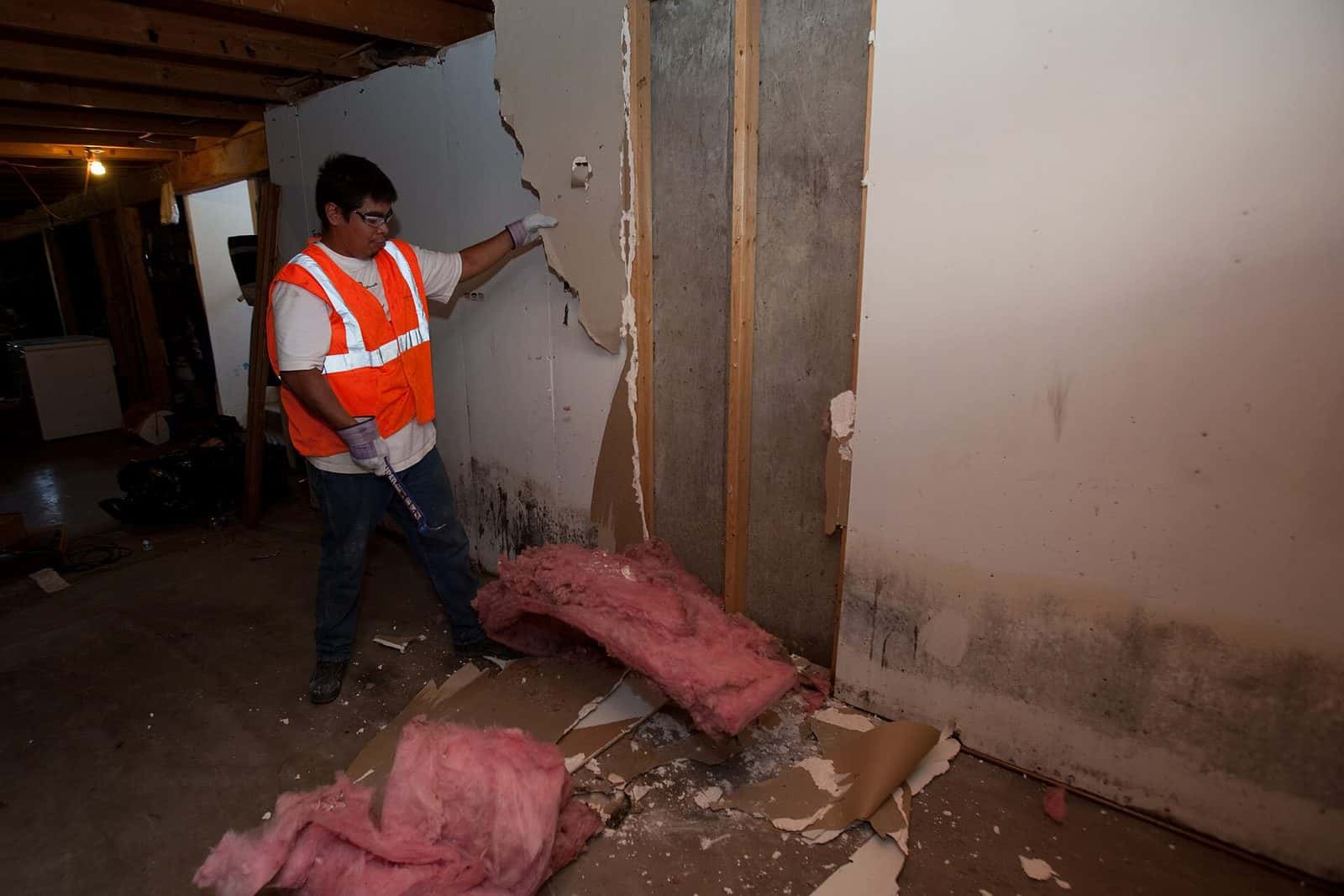
Basement Mold Prevention
Basement mold prevention removes the moisture that feeds mold (leaks, condensation and humidity), then cleans affected surfaces and keeps humidity low.
Learn moreGuides
What should you read before calling?
Call about crawl space encapsulation
Humid air and ground moisture.
By calling, you agree to be connected with an independent waterproofing contractor, who may call or text you back about your request at the number you call from. Calls may be recorded for quality and routing. Consent is not a condition of any purchase; you can opt out at any time, and message and data rates may apply. Privacy policy.