Moisture
Crawl Space Encapsulation Cost in Ohio
Updated · Holdfast editorial · 2 min read
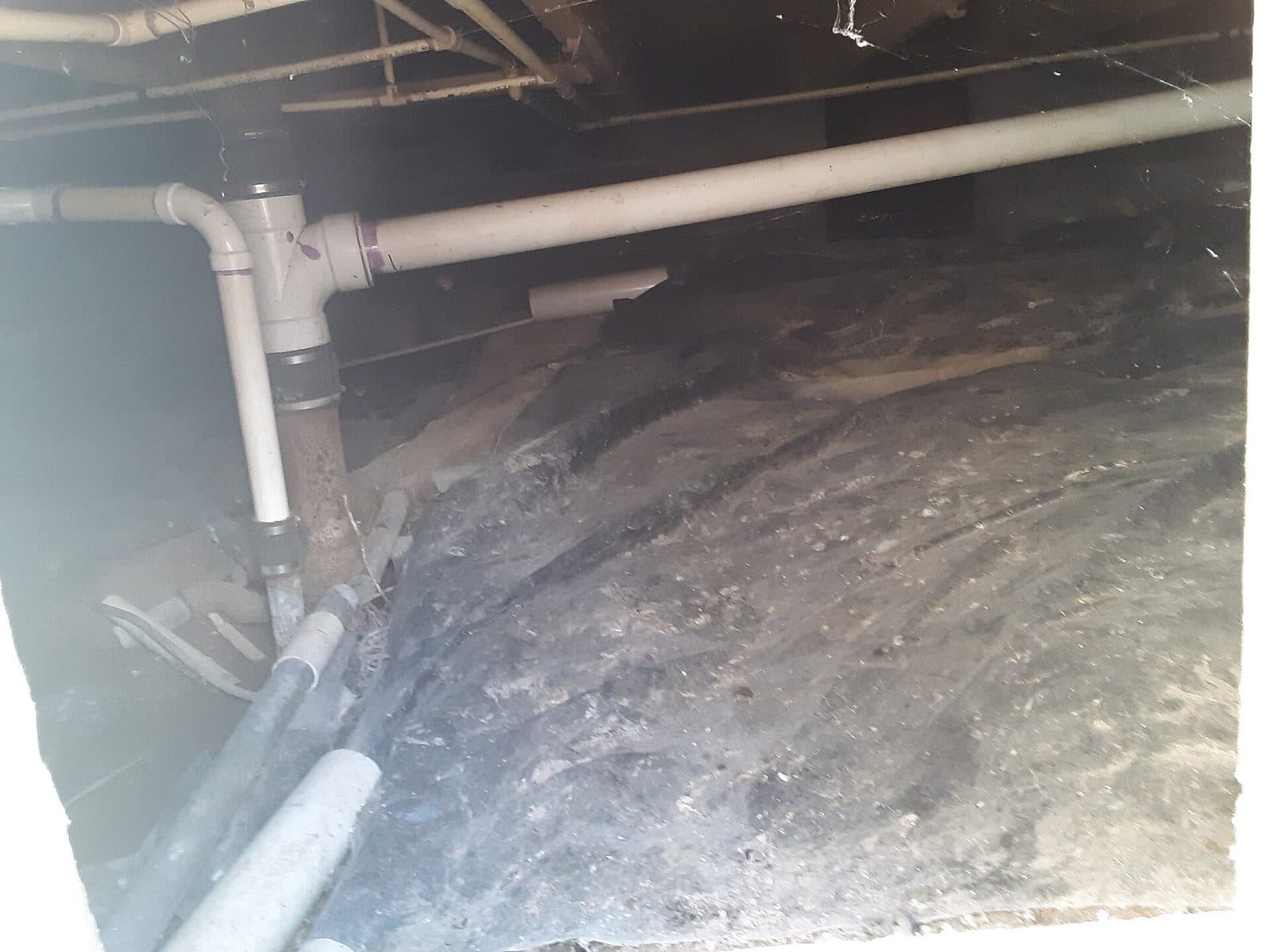
What does encapsulation include?
A typical system:
- Clearing debris and old vapor barrier
- Heavy liner over floor and up walls, sealed at seams
- Sealing vents and rim joists
- Dehumidifier with a drain line
- Drain or sump if water collects
What moves the price?
Main factors:
Is it worth it?
For damp crawl spaces under additions and older homes, encapsulation often reduces musty odor, cold floors and wood rot. For dry crawl spaces, a good vapor barrier alone may be enough.
What drives the price?
Encapsulation quotes vary because crawl spaces vary. Compare quotes on the same items:
- Square footage and wall height of the crawl
- Vapor barrier thickness and whether it runs up the walls and piers
- Drainage and a sump, if there's any water entry
- Dehumidifier size and where it drains
- Sealing vents and the rim joist, sometimes with insulation
- Clean-out: removing old insulation, debris or moldy material first
- Access: a small hatch or very low clearance makes the work slower
How do you avoid paying for more than the crawl space needs?
A dry crawl may only need a proper vapor barrier and sealed vents. A wet one needs drainage before anything else. Ask each contractor to show the moisture readings and signs that justify each item in the quote.
Call a professional if
- Standing water or active seepage in the crawl
- Visible mold growth on joists or subfloor
- Rotted or soft sill plates or joists
By calling, you agree to be connected with an independent waterproofing contractor, who may call or text you back about your request at the number you call from. Calls may be recorded for quality and routing. Consent is not a condition of any purchase; you can opt out at any time, and message and data rates may apply. Privacy policy.
About crawl space encapsulationWhat else do people ask about this?
How long does encapsulation take?
Most jobs take one to three days depending on size, access and repairs.
Where can I verify this information about your home?
- 1U.S. Environmental Protection Agency: MoldGuidance on moisture control and keeping indoor humidity low to prevent mold.
- 2U.S. Census Bureau: QuickFactsHousing and population facts for your home, including the age of local housing stock.
- 3USDA Natural Resources Conservation Service: Web Soil SurveyLook up soil drainage class and shrink-swell potential for any lot in your home.
- 4FEMA: Flood Map Service CenterCheck whether a property in your home is in a mapped flood zone before finishing a basement.
- 5Federal Trade Commission: Hiring a ContractorWhat to check before hiring: licensing, insurance, written estimates and payment terms.
Every home differs; editorial standards.