
Moisture
Why Does My Basement Smell Musty?
Updated · Holdfast editorial · 2 min read
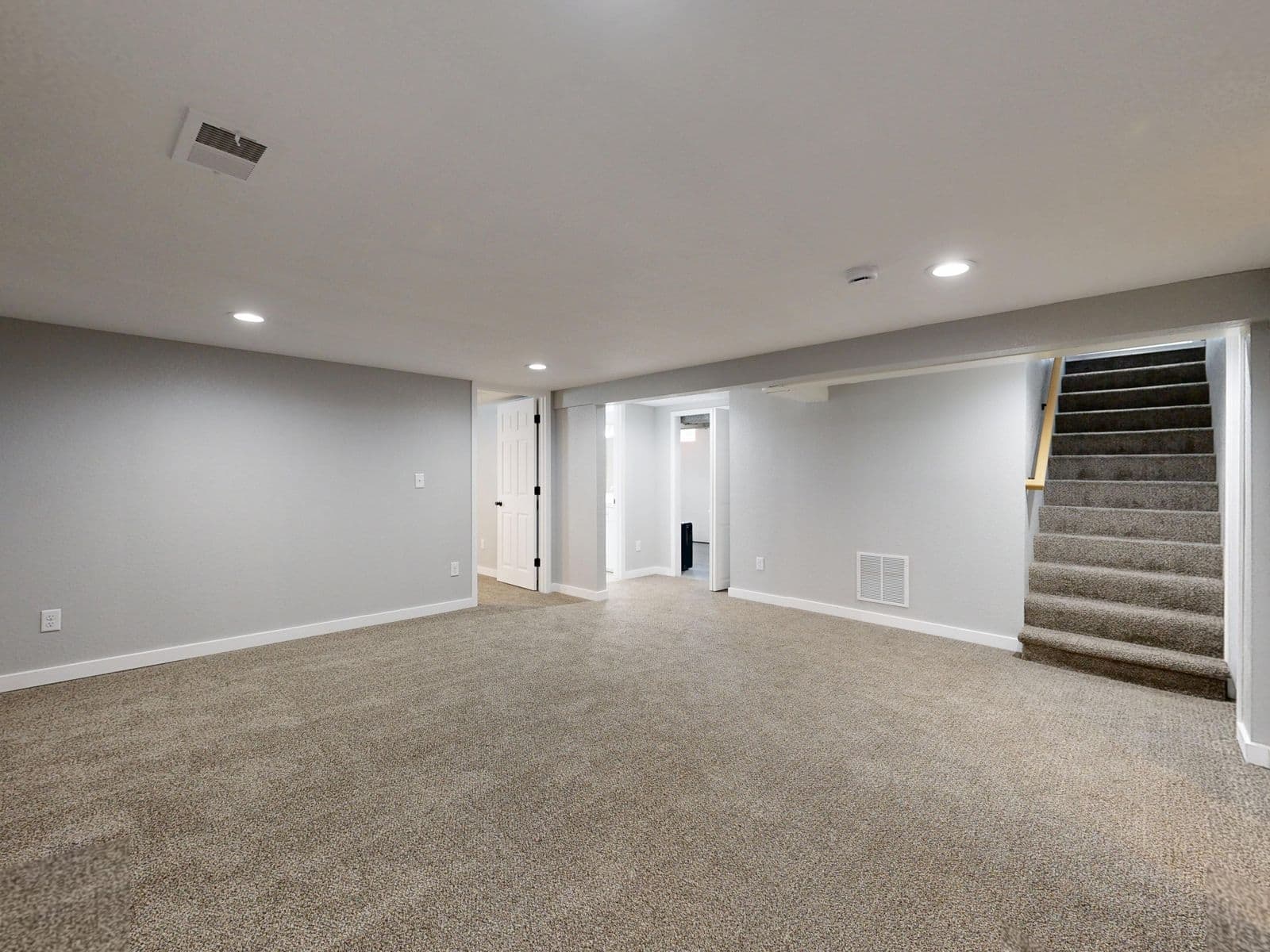
What are the common causes?
- Summer humidity condensing on cool walls
- Seepage behind paneling
- Mold on stored boxes
- Damp crawl space nearby
How is it fixed?
See basement dehumidifiers and mold prevention.
How do you measure the problem?
An inexpensive hygrometer shows whether humidity is the issue; readings consistently above about 60 percent in summer invite mold. If humidity is normal but the smell persists, look for hidden seepage behind finishes or in a crawl space.
How do you track down the source?
A musty smell means something is staying damp long enough for mold or mildew to grow. Work through the likely sources:
- Humidity: a hygrometer reading above about 60% in summer points to damp air rather than a leak
- Seepage: dark or damp spots at the floor-wall joint, white powder (efflorescence) on block
- Stored items: cardboard, carpet or fabric against walls or on the floor
- A dry floor drain trap letting sewer gas in; pour water in it
- A sump pit without a sealed lid
- Old wood framing or paneling that has been damp for years
Why do older valley basements smell?
Stone and early block walls, common in homes built before 1960, are porous and wick moisture from the soil even when you never see water. That keeps humidity high in summer. Controlling humidity with a drained dehumidifier helps, but a smell that persists usually means a wall or floor that needs drainage or sealing.
Call a professional if
- Musty odor
- Condensation on pipes
- Damp stored items
- Humidity readings above 60%
By calling, you agree to be connected with an independent waterproofing contractor, who may call or text you back about your request at the number you call from. Calls may be recorded for quality and routing. Consent is not a condition of any purchase; you can opt out at any time, and message and data rates may apply. Privacy policy.
About basement dehumidifiersWhat else do people ask about this?
Will a dehumidifier fix a musty basement?
It controls humidity, but it won't fix active water getting in. Fix leaks first.
Should I open basement windows in summer?
Usually not. Warm, humid summer air condenses on cool basement surfaces and raises humidity.
Where can I verify this information about your home?
- 1U.S. Environmental Protection Agency: MoldGuidance on moisture control and keeping indoor humidity low to prevent mold.
- 2U.S. Census Bureau: QuickFactsHousing and population facts for your home, including the age of local housing stock.
- 3USDA Natural Resources Conservation Service: Web Soil SurveyLook up soil drainage class and shrink-swell potential for any lot in your home.
- 4U.S. Environmental Protection Agency: RadonWhy basements in your home should be tested for radon, and how sealed sumps fit with mitigation.
- 5Federal Trade Commission: Hiring a ContractorWhat to check before hiring: licensing, insurance, written estimates and payment terms.
Every home differs; editorial standards.