
Foundation
Horizontal Crack in a Basement Wall: What It Means
Updated · Holdfast editorial · 2 min read
What are the warning signs?
- Wall leaning at the top
- Crack widening
- Stair-step cracks at corners
How do you monitor it?
Mark crack ends and measure plumb at intervals.
Which repairs are used?
How do you monitor before repair?
Mark the ends of the crack with a pencil and date, and measure the wall's inward bow with a level or string line every few months. Growth in length, width or bow means the wall is still moving and should be stabilized soon.
Why does it happen in block walls?
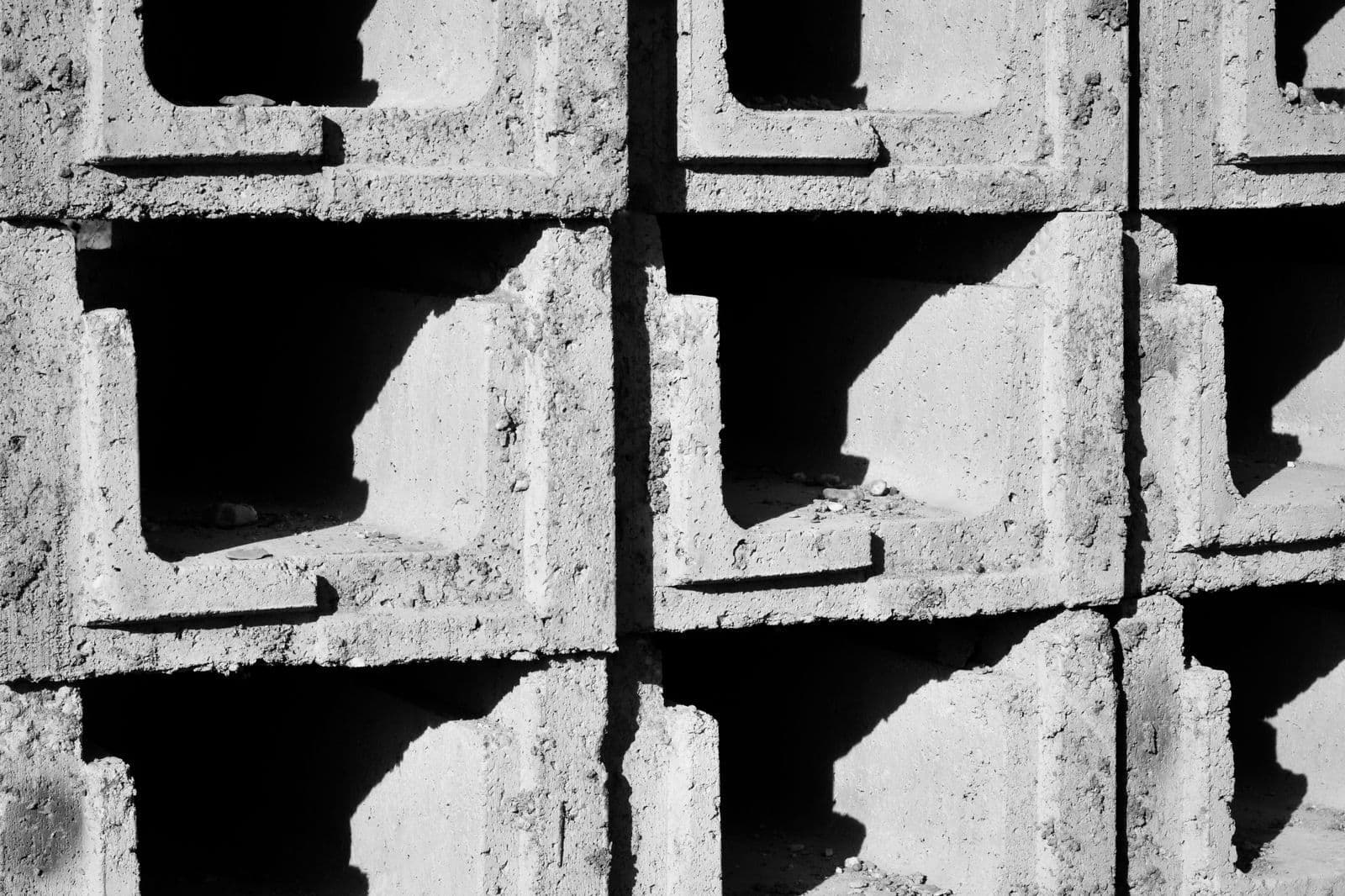
Hollow concrete block is strong under the weight of the house but weaker against soil pushing sideways. Wet soil that freezes and expands adds pressure every winter. Over years, the wall cracks along a mortar joint partway up, then the middle of the wall moves inward. That's why horizontal cracks are most common in block basements, like the many built from the 1940s through the 1970s across the Mahoning Valley.
What should you do now?
Measure how far the wall is out of plumb with a level or a string line, date it, and check again after winter. Reduce the water pushing on it: extend downspouts, fix grading and keep gutters clear. Have the wall assessed; stabilizing it with anchors or braces early is much less work than rebuilding it later.
Call a professional if
- Horizontal crack mid-wall
- Wall leaning inward at the top
- Stair-step cracks at corners
- Gaps between wall and sill plate
By calling, you agree to be connected with an independent waterproofing contractor, who may call or text you back about your request at the number you call from. Calls may be recorded for quality and routing. Consent is not a condition of any purchase; you can opt out at any time, and message and data rates may apply. Privacy policy.
About bowing basement wall repairWhat else do people ask about this?
Should I get a structural engineer for a horizontal crack?
It's wise when the wall has bowed noticeably, the crack is widening, or you're selling the house. An engineer's letter documents the condition and the fix.
Can wall anchors pull a wall back straight?
Anchors can stabilize a wall and sometimes gradually pull it back; heavily displaced walls may need rebuilding.
Where can I verify this information about your home?
- 1USDA Natural Resources Conservation Service: Web Soil SurveyLook up soil drainage class and shrink-swell potential for any lot in your home.
- 2NOAA National Centers for Environmental Information: U.S. Climate NormalsAverage precipitation, snowfall and temperatures for weather stations near your home.
- 3U.S. Environmental Protection Agency: RadonWhy basements in your home should be tested for radon, and how sealed sumps fit with mitigation.
- 4U.S. Census Bureau: QuickFactsHousing and population facts for your home, including the age of local housing stock.
- 5Federal Trade Commission: Hiring a ContractorWhat to check before hiring: licensing, insurance, written estimates and payment terms.
Every home differs; editorial standards.