
Foundation
What Causes Cracks in a Basement Floor?
Updated · Holdfast editorial · 2 min read
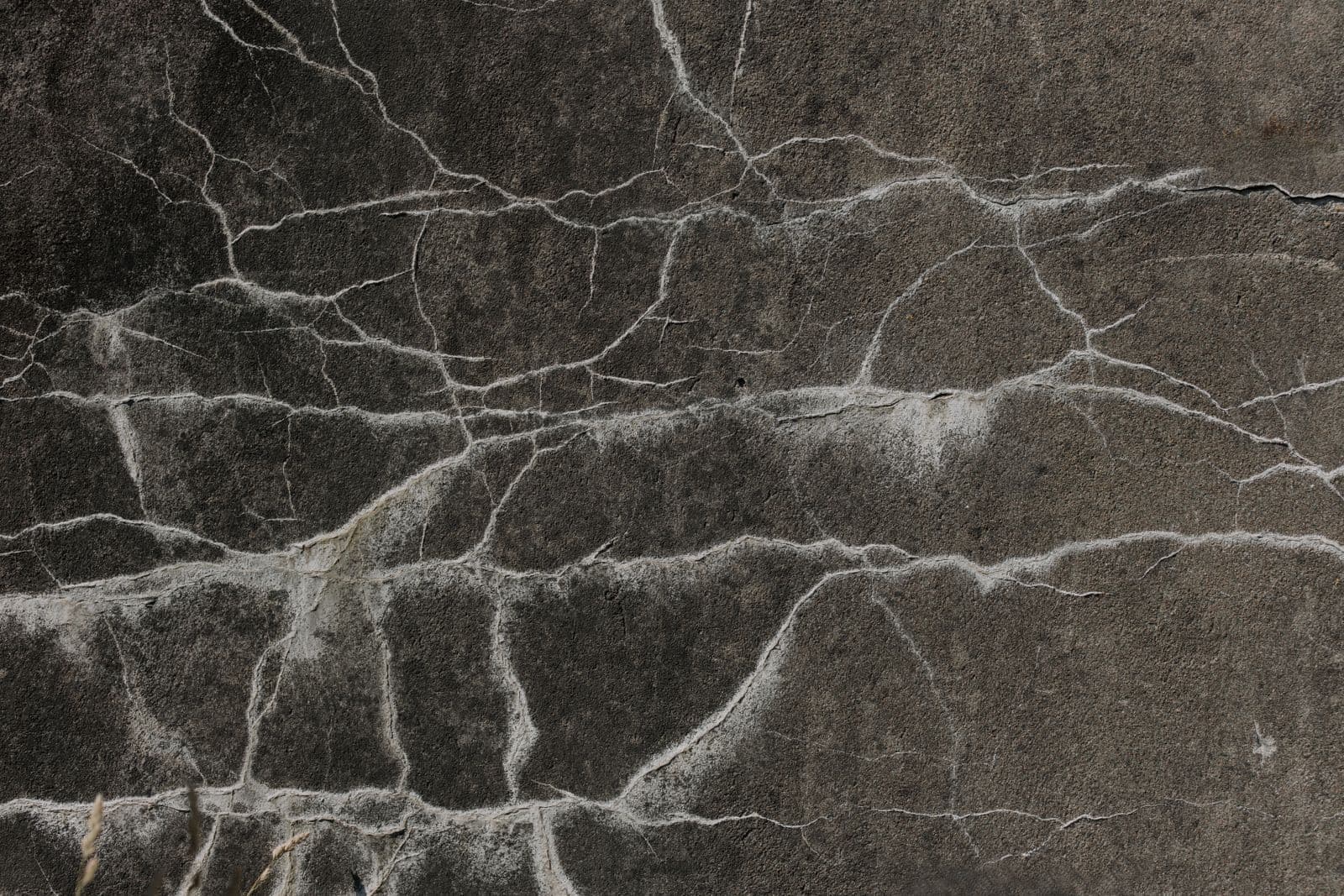
What are the common causes?
Causes:
When should you worry?
Wide or uneven cracks, water seeping in, or cracks that grow.
How is it fixed?
Sealing small cracks, drainage for water, or structural repair for settlement.
Is it a shrinkage crack or heaving?
Most floor cracks in Mahoning Valley basements are thin shrinkage cracks from when the slab cured. Cracks with one side higher than the other, or a floor that bulges, can mean groundwater pressure or soil movement pushing on the slab and deserve a closer look.
Which cracks let water in?
Water coming up through floor cracks means groundwater pressure under the slab. Sealing the crack usually moves the water elsewhere; interior drainage along the walls with a sump relieves the pressure.
How does radon fit in?
Floor cracks are also a radon entry point. Northeast Ohio has areas with elevated radon, so testing after repairs is a good idea.
Call a professional if
- Crack wider than about 1/4 inch
- One side of the crack offset
- Horizontal or stair-step pattern
- Crack getting longer
By calling, you agree to be connected with an independent waterproofing contractor, who may call or text you back about your request at the number you call from. Calls may be recorded for quality and routing. Consent is not a condition of any purchase; you can opt out at any time, and message and data rates may apply. Privacy policy.
About structural foundation crack repairWhat else do people ask about this?
Are hairline cracks normal?
Yes.
Can floor cracks let in radon?
Yes, sealing helps.
Should I seal cracks?
Small ones can be sealed.
Should I cover floor cracks before finishing a basement?
Seal non-structural cracks and fix any water entry before laying flooring, since flooring hides future leaks.
How do I know if a floor crack is growing?
Mark the ends with a pencil and date it, then check every few months. Growth or widening means it should be evaluated.
Can floor cracks cause wall problems?
Floor cracks alone rarely affect walls, but both can come from the same soil and water pressure.
Where can I verify this information about your home?
- 1USDA Natural Resources Conservation Service: Web Soil SurveyLook up soil drainage class and shrink-swell potential for any lot in your home.
- 2U.S. Environmental Protection Agency: RadonWhy basements in your home should be tested for radon, and how sealed sumps fit with mitigation.
- 3FEMA: Flood Map Service CenterCheck whether a property in your home is in a mapped flood zone before finishing a basement.
- 4NOAA National Centers for Environmental Information: U.S. Climate NormalsAverage precipitation, snowfall and temperatures for weather stations near your home.
- 5Federal Trade Commission: Hiring a ContractorWhat to check before hiring: licensing, insurance, written estimates and payment terms.
Every home differs; editorial standards.