
Leaks
Sump Pump Installation Cost in Northeast Ohio
Updated · Holdfast editorial · 2 min read
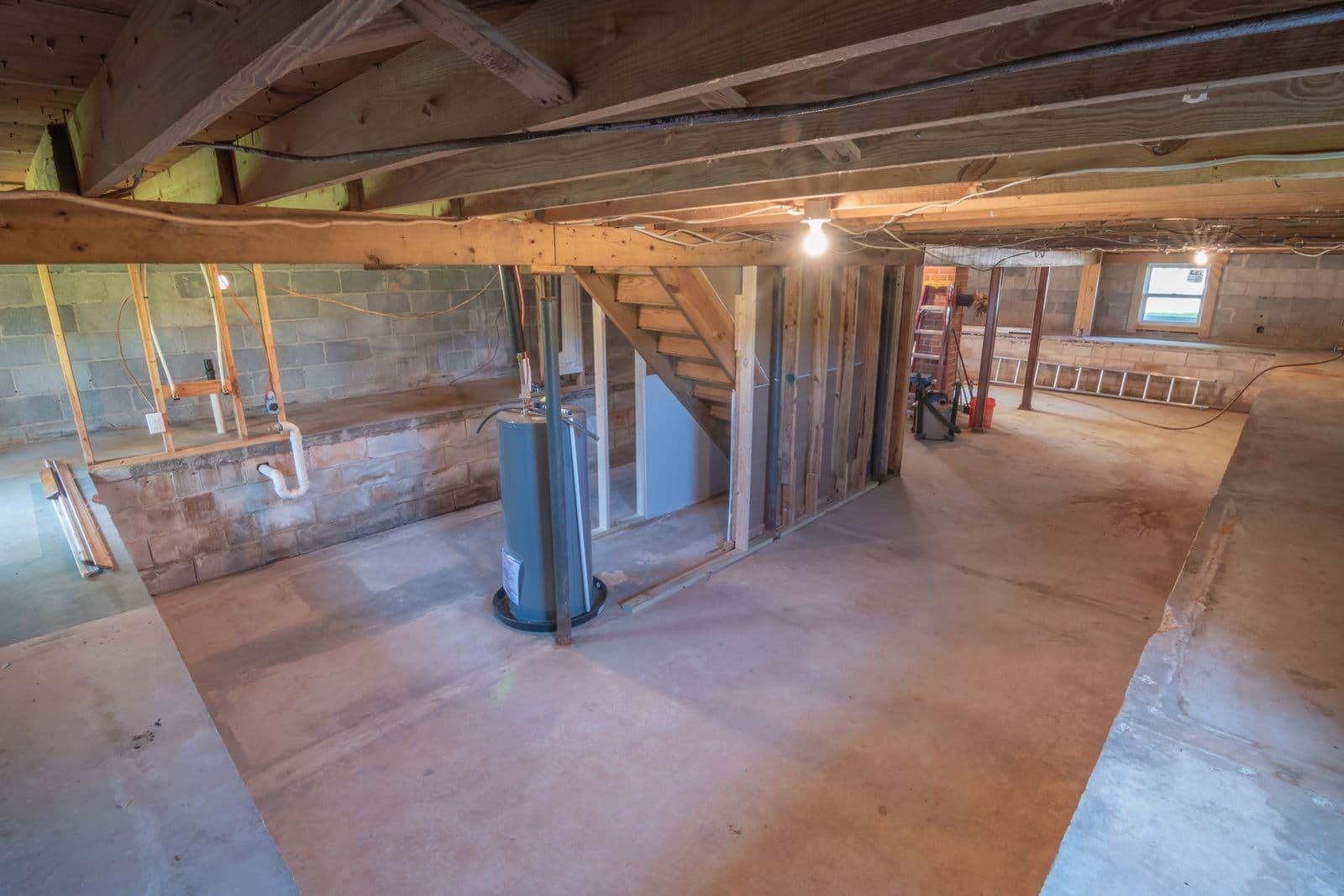
What is included in a typical job?
A complete installation usually covers:
- Pump and float switch
- Check valve
- Pit liner and sealed lid
- Discharge line to daylight, away from the foundation
- Backup pump and alarm
What moves the price?
Main factors:
- New pit dug through the floor vs. replacing a pump in an existing pit
- Pump capacity and cast-iron vs. plastic construction
- Battery or water-powered backup
- Discharge length and freeze protection outside
- Connecting to an interior drain system
Repair or replace?
A stuck float or failed check valve can be repaired. A pump that runs constantly, hums without pumping, or is over about seven to ten years old is usually replaced.
What is included in a sump installation?
Compare quotes on the full system, not just the pump.
- Breaking the floor and digging the pit, with a liner
- The pump itself: pedestal or submersible, and its capacity
- Check valve and discharge line, and where it exits the house
- Exterior discharge routed away from the foundation
- Connection to perimeter drainage, if any
- A dedicated outlet, and a battery backup pump if wanted
- Sealed lid to limit radon and moisture
Call a professional if
- Pump runs constantly or not at all
- Noisy or rattling pump
- Pit overflowing in heavy rain
- Discharge line frozen or ending at the foundation
By calling, you agree to be connected with an independent waterproofing contractor, who may call or text you back about your request at the number you call from. Calls may be recorded for quality and routing. Consent is not a condition of any purchase; you can opt out at any time, and message and data rates may apply. Privacy policy.
About sump pump installation & repairWhat else do people ask about this?
Do I need a backup pump?
If your basement is finished or storms often knock out power, a backup is strongly recommended.
Where should the discharge go?
To the yard at least ten feet from the foundation, or to a storm connection where allowed, never into the sanitary sewer.
Where can I verify this information about your home?
- 1U.S. Environmental Protection Agency: RadonWhy basements in your home should be tested for radon, and how sealed sumps fit with mitigation.
- 2FEMA: Flood Map Service CenterCheck whether a property in your home is in a mapped flood zone before finishing a basement.
- 3NOAA National Centers for Environmental Information: U.S. Climate NormalsAverage precipitation, snowfall and temperatures for weather stations near your home.
- 4Federal Trade Commission: Hiring a ContractorWhat to check before hiring: licensing, insurance, written estimates and payment terms.
Every home differs; editorial standards.